

Have you ever noticed that some of the strongest warnings and exhortations in the Bible are to those who toy with the idea of compromise with other worldviews or systems? There is a central theme throughout Scripture that anyone who desires God’s eternal life, love, and promises must be willing to be devoted to God despite hardships and pressure. Increasing devotion to God brings about obedience, greater love for others, and a distinction that opposing ideologies often find objectionable. I suspect Biblical teachings would be more palatable to others if there were more concessions over human behaviour. The problem is that the world’s hunger for the surrender of Biblical principles is a desire for the believer to disbelieve God’s redemptive plan and power. In today’s society, many churches are assimilating into current culture which is so contrary to the book of Romans.

I don’t believe you can hold strictly to the Bible and negotiate with its teachings; even the ones that are not well understood or feel harsh. There are good reasons for what is written. If we know that God is loving, gracious, righteous, all-knowing, and just, then when we read the Word of God, and are confronted with passages we find “difficult to digest”, we should believe the heart of our LORD is for absolute goodness and righteousness. I also believe it is healthy to pray about concepts that you are wrestling with because the Holy Spirit is faithful to bring you the truth in His time through Scripture, other believers, and His inward witness or impressions.
If you are His, He’s got you and He won’t allow anyone or anything to snatch you out of His hands (even if you periodically stumble or misstep)! John 10:27-29
Certainly, a believer must find a way to navigate this world while not being worldly; to love people while disagreeing with them. That said, out of devotion to the LORD, we need to side with Scripture because it is God’s Word, His mind about the things we encounter and His desires for us.
Some Questions to Keep in Mind: How do you know you’re part of the elect? How do you know the Saviour? How much do you love Him? How does your life reflect your responses? What happens when someone who claims Christ to be their Saviour and Master chooses to disregard the Bible’s teachings and sides with the world? Can believers be deceived?
In studying Romans, I am finding so many cross-references to Galatians and Hebrews where those readers were turning back from the purity of Christ’s teachings because they were not deeply rooted; perhaps some because of poor teaching, some because of persecution; and some because they had a temporal view. Another general observation is that in each of these letters, the writer uses Abraham, Moses, and the children of Israel as examples to exhort believers to press on into what God has promised (which includes the process of enduring hardships).
This week, the message at our church (from the Psalms) was that we can have joy regardless of difficulty and injustice because The King who is The Judge of all creation and reigns eternally is our Saviour; our Joy is that we have Him. Praise God!
I’m pressing on and know that I’ve got a ways to go. So, where are you on your journey?

Outline: How I Have Segmented My Observations
Part 3:
Within this current blog, we will now review the longing for the completion of God’s plan which is to bring everything back to perfection. Here are the segment titles along with their subheadings:
- The Spirit Will Take Us From Current Suffering to Future Glory: Romans 8:18- 30
- All of Creation is Suffering (and Five Reasons for Enduring Suffering)
- The Holy Spirit Groans For Us
- The Assurance of a Successful Journey from Justification to Glorification
- God’s Love Guarantees Eternal Union with the Spirit-Filled Believer: Romans 8:31- 38
To read earlier parts of this study, please click the appropriate link below:
Let’s get started on Part 3 in the study of Romans 8!

The Spirit Will Take Us From Current Suffering to Future Glory: Romans 8:18- 30
In this next passage, Paul explained to the home churches (Romans 16:4-5) that the indwelling Holy Spirit will be with them and strengthen them from their current state of suffering right into future glory. Remember the context of when this letter was written; it was to the home churches in Rome who were enduring the tension of living in a wicked civilization surrounded by ungodliness and in fear of persecution (and they may have not had the comfort of knowing their full numbers so they may have felt isolated). This was during the reign of Nero.
Please read Romans 8:18-30. We will break down this passage into three sub-heading focal points: (1) all of creation is suffering; (2) the Holy Spirit groans for us; and (3) there is an assurance for the journey between justification to glorification. This passage not only tells us the reason believers can overcome, but it also assures us of the certainty to encourage us to persevere in all that we experience during our lives.
All of Creation is Suffering
In Romans 8:18-30, we are given 5 reasons to endure the suffering that comes before glorification. In the very first verse (verse 18), Paul contrasted the current suffering to the future glory which will be revealed in us. Why do we endure anything? Do we not persevere because the expectation of a future outcome is worth persisting through difficulty? In contrast, why would some fail to endure? Is it because there is a lack of appreciation for the reward (a preference for perceived current comfort over a hoped future gain)? Or perhaps there are doubts about the strength and security of that which claims to produce the result? These questions are all linked to faith in what God has said.
The atheist may look at this world and surmise that there is no beneficial purpose to suffering. Why does anything suffer or die? While sin is the reason for death in this world (Romans 5:12 & 21), those who have been redeemed through faith in Christ have been given another reason for enduring until physical translation. Jesus neared the end of His earthly ministry, He said:
- “… The hour has come that the Son of Man should be glorified. Most assuredly, I say to you, unless a grain of wheat falls into the ground and dies, it remains alone; but if it dies, it produces much grain. “He who loves his life will lose it, and he who hates his life in this world will keep it for eternal life. “If anyone serves Me, let him follow Me; and where I am, there My servant will be also. If anyone serves Me, him My Father will honor. Now My soul is troubled, and what shall I say? ‘Father, save Me from this hour’? But for this purpose I came to this hour. Father, glorify Your name.” Then a voice came from heaven, saying, “I have both glorified it and will glorify it again.” (John 12:23-28)
Let’s look at 5 reasons or things a believer looks forward to (while enduring God-permitted suffering in this world).
Reason 1: Greater Glory
Whatever the current hardship is, the glory is greater (a far more exceeding and eternal weight of glory). Isn’t that what the Word of God says? (Refer to Matthew 5:11-12; Acts 20:24; 2 Corinthians 4:17-18; 1 Peter 1:6-7; Colossians 3:4; 1 Peter 4:13 and 1 John 3:2).
The greater the hardship for Christ (His name, His commands, His way of living), the greater glory. Scripture states that we can’t even begin to imagine what that glory is!
- “But as it is written: “Eye has not seen, nor ear heard, Nor have entered into the heart of man the things which God has prepared for those who love Him.”” (1 Corinthians 2:9)
Most of us have seen the lavish lifestyles of earthly monarchy and other aristocrats through various media, so we can imagine some pretty extravagant riches. When we see the grandeur of the universe and consider our smallness in it, we have a glimpse into the ability of the Creator. But, the Word of God says that with all of our imagination, we cannot possibly grasp what God has prepared for those who love Him. When considering this, then suffering for Christ becomes a reason to anticipate a great reward.
So then, our ability to have joy while enduring suffering for Christ is a matter of our perspective.
What do you focus on? The trouble or the outcome? The source of overcoming or the source of the trouble?
Reason 2: Restoration to Original Perfection at Christ’s Earthly Reign
When our suffering is over and the sons of God are revealed, all of creation will be made anew. We will dwell in a world without any suffering and pain and in a world that has been restored to perfection.
Consider your favourite things about creation: the wonder and beauty of the stars, the amazing landscapes of earth, the seasons, the plant life, and the creatures. All of these things are amazing even though they are likewise in a fallen condition. What will it be like when everything is made perfect? Wow!
Verse 19 states that even creation is waiting eagerly for our glorification. When will this occur? At Christ’s return (Romans 8:19, 23, 25; 1 Corinthians 1:7; Galatians 5:5; Philippians 3:20; Hebrews 9:28)
Reason 3: Restored Human Dominative and Harmonic Relationship with Creation
When the children of God are revealed at Christ’s return, the curse of corruption will be lifted (Verse 20). If you have time, please read Genesis 3:15-19 and Genesis 9:2-3 to consider how the relationship was strained between humanity and the rest of God’s creation. God’s judgment on humanity impacted creation; creation could not be the blessing it was intended to be for human beings. After the children of God are glorified, we will return with Christ to a kingdom where even the plant- life and creatures will be a blessing to all inhabitants of the new heavens and new earth.
Reason 4: Cessation of Strife and Sorrow; Immortality for the Children of God
With the curse lifted, there will be no more death. Verse 21 states that creation itself will be delivered from the bondage of corruption. What does that mean? In Scripture, corruption leads to death. To see how this word is used, please refer to 1 Corinthians 15:42, 50; Galatians 6:8; and Colossians 2:22. The Greek word is “phthorá” (Strongs 5356) which means decay, ruin, destruction, perish which results in death.
So, after our time of suffering in this life is over, and the sons of God are revealed, creation will be freed from death and decay. What a joy it will be to love other people and animals without anyone or anything aging and dying!
Verses 21 – 23 state that the entirety of creation groans and labours with birth pangs. What does Scripture say about birth pangs?
- ““A woman, when she is in labor, has sorrow because her hour has come; but as soon as she has given birth to the child, she no longer remembers the anguish, for joy that a human being has been born into the world.“(John 16:21)
- “”For many will come in My name, saying, ‘I am the Christ,’ and will deceive many. “And you will hear of wars and rumors of wars. See that you are not troubled; for all these things must come to pass, but the end is not yet. “For nation will rise against nation [ethnicities] , and kingdom against kingdom. And there will be famines, pestilences, and earthquakes in various places. “All these are the beginning of sorrows. “Then they will deliver you up to tribulation and kill you, and you will be hated by all nations for My name’s sake. “And then many will be offended, will betray one another, and will hate one another. “Then many false prophets will rise up and deceive many. “And because lawlessness will abound, the love of many will grow cold. “But he who endures to the end shall be saved. “And this gospel of the kingdom will be preached in all the world as a witness to all the nations, and then the end will come.” (Matthew 24:5-14)
What a joy it will be to have no more strife between people, no more turbulence in the heavens nor on the earth!
Reason 5: Steadfast Hope for the Future During Difficulty
Consider Romans 8:24-25 and then the meaning of hope within Scripture. Hope is not a wish for something that may or may not occur. The Greek word “elpís” (Strong’s G1680) is used which means to expect, to have an attitude of confidently looking forward to what is certain (for believers something good and beneficial). One can not have a confident expectation of future glory expressed within the Bible without faith in Christ.
Let’s look at what the Bible says about being without hope. Putting aside hope (discarding of faith in God) leads to corruption.
- “Hope deferred makes the heart sick, But when the desire comes, it is a tree of life.”(Proverbs 13:12)
- “The hope of the righteous will be gladness, But the expectation of the wicked will perish.” (Proverbs 10:28)
- “… lest you sorrow as others who have no hope.” (1 Thessalonians 4:13b)
- “Do not fret because of evildoers, Nor be envious of the wicked; For there will be no prospect for the evil man; The lamp of the wicked will be put out.” (Proverbs 24:19-20)
This next passage voices the vanity or the uselessness of putting your hope in your efforts and pleasure:
- “I searched in my heart how to gratify my flesh with wine, while guiding my heart with wisdom, and how to lay hold on folly, till I might see what was good for the sons of men to do under heaven all the days of their lives. I made my works great, I built myself houses, and planted myself vineyards. I made myself gardens and orchards, and I planted all kinds of fruit trees in them. I made myself water pools from which to water the growing trees of the grove. I acquired male and female servants, and had servants born in my house. Yes, I had greater possessions of herds and flocks than all who were in Jerusalem before me. I also gathered for myself silver and gold and the special treasures of kings and of the provinces. I acquired male and female singers, the delights of the sons of men, and musical instruments of all kinds. So I became great and excelled more than all who were before me in Jerusalem. Also my wisdom remained with me. Whatever my eyes desired I did not keep from them. I did not withhold my heart from any pleasure, For my heart rejoiced in all my labor; And this was my reward from all my labor. Then I looked on all the works that my hands had done And on the labor in which I had toiled; And indeed ALL WAS VANITY and GRASPING FOR THE WIND. There was no profit under the sun. … Therefore I hated life because the work that was done under the sun was distressing to me, for all is vanity and grasping for the wind.” (Ecclesiastes 2:3-11, 17)
Abiding in the LORD and the hope of things to come from Him (even if this life holds suffering) leads to perseverance and eternal life whereas the evildoers have only to look forward to sorrow, death, and separation from all light.
- “while we do not look at the things which are seen, but at the things which are not seen. For the things which are seen are temporary, but the things which are not seen are eternal.” (2 Corinthians 4:18)
- “For we walk by faith, not by sight.” (2 Corinthians 5:7)
- “Now faith is the substance of things hoped for, the evidence of things not seen.” (Hebrews 11:1)
The word “hope’ (whether Strongs G1680 – Noun; or, G1679 – Verb – Present Active Indicative) is mentioned 15 times in 10 verses in the book of Romans. If you have time to study this word in the context of this book, here are the verses: Romans 4:18; Romans 5:2, 4-5; Romans 8:20, 24-25; Romans 12:12; and Romans 15:4, 13.
To endure hardship with the confidence of better things ahead is to become steadfast and immovable. It is a biblical strategy for obtaining the promises of God.
Why? It is written:
- “knowing that the testing of your faith produces patience. But let patience have its perfect work, that you may be perfect and complete, lacking nothing.” (James 1:3-4)
Can you imagine if Jesus Christ did not have the faith to endure the suffering on the cross (Hebrews 12:2)?
Scripture states that Jesus considered the joy of His inheritance and the outcome of His death and resurrection which gave Him the desire to endure the shame of the hardship God had willed for Him.
When Jesus prayed, “O My Father, if it is possible, let this cup pass from Me; nevertheless, not as I will, but as You will.” (Matthew 26:39), the response from the Father was to send angels to comfort Him (Luke 22:43-44) because the death of the only perfect kinsman redeemer, the God-Man, was the only way to pay the penalty and resurrect; and, it was also Their will to restore His creation unto glory (the reflection of God’s majesty).
- “Therefore be patient, brethren, until the coming of the Lord. See how the farmer waits for the precious fruit of the earth, waiting patiently for it until it receives the early and latter rain. You also be patient. Establish your hearts, for the coming of the Lord is at hand. … Indeed we count them blessed who endure. You have heard of the perseverance of Job and seen the end intended by the Lord, that the Lord is very compassionate and merciful.” (James 5:7-8, 11)
Jesus assured us we would have troubles and that He was the victor of all of these things:
- “”These things I have spoken to you, that in Me you may have peace. In the world you will have tribulation; but be of good cheer, I have overcome the world.”” (John 16:33)
- “”If you were of the world, the world would love its own. Yet because you are not of the world, but I chose you out of the world, therefore the world hates you. “Remember the word that I said to you, ‘A servant is not greater than his master.’ If they persecuted Me, they will also persecute you. If they kept My word, they will keep yours also. “But all these things they will do to you for My name’s sake, because they do not know Him who sent Me.” (John 15:19-21)
Let us remember the words the Holy Spirit gave to John for us:
- “You are of God, little children, and have overcome them, because He who is in you is greater than he who is in the world.” (1 John 4:4)
- “For whatever is born of God overcomes the world. And this is the victory that has overcome the world; our faith.” (1 John 5:4)
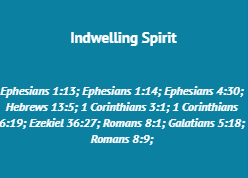
Thank you, Father, that sent the Spirit of adoption, the Holy Spirit who testifies of Jesus Christ, the Spirit of truth who indwells us and gives us the endurance to persevere. He strengthens us during our earthly struggles and sanctification right into future glory!
I am grateful that our LORD does not exempt us from all suffering in this fallen state because I am quite certain that we would take Him and life for granted; after all, Adam and Eve did not value their relationship with God above that which tempted them even though they were created perfect. No, I think it is right for free-will people to learn what it means “to be obedient for the sake of love”.
In this life, everyone suffers to varying degrees. While I groan to be perfected and with my Saviour face to face, I am still filled with gratitude and joy because my spirit is currently joined to the Godhead who authors faith and hope.
The Holy Spirit Groans For Us
Let’s start by reading the next passage:
- “Likewise the Spirit also helps in our weaknesses. For we do not know what we should pray for as we ought, but the Spirit Himself makes intercession for us with groanings which cannot be uttered. Now He who searches the hearts knows what the mind of the Spirit is, because He makes intercession for the saints according to the will of God.” (Romans 8:26-27)
On our way through this life, the Holy Spirit searches our thoughts and God’s thoughts to reveal truth to us. He shows us when there is a discrepancy between our wills and the will of the Father. Our “new creation” response to this conviction should be to repent and yield to the revealed truth which never disagrees with Scripture. But, in this life, we are in a process of sanctification. Our souls (minds, will, and emotions) have not been perfected although our spirits have been regenerated.
- “But we all, with unveiled face, beholding as in a mirror the glory of the Lord, are being transformed into the same image from glory to glory, just as by the Spirit of the Lord.” (2 Corinthians 3:18)
Friends, there are depths we must go to, there are heights we must soar to, and there are breadths we must learn. We need to renew our minds with the Word of God so that we can put on the mind of Christ. Thankfully, the Holy Spirit makes intercession for us.
- “But it was to us that God revealed these things by his Spirit. For his Spirit searches out everything and shows us God’s deep secrets. No one can know a person’s thoughts except that person’s own spirit, and no one can know God’s thoughts except God’s own Spirit. And we have received God’s Spirit (not the world’s spirit), so we can know the wonderful things God has freely given us.” (1 Corinthians 2:10-12 NLT)
Our LORD loves us so much that in addition to the spiritual gifts that we receive based on His will and our desire for them (1 Corinthians 12:11), the indwelling Holy Spirit prays to the Father with groanings that cannot be expressed in words; ideas that are too deep for us to comprehend. Here the Godhead is in perfect communion with us in the inner man.
- the Holy Spirit is praying for us according to the will of the Father (Ephesians 4:4; Romans 8:15, 26; Jude 1:20; Galatians 4:6; John 15:26);
- Jesus our High Priest is praying for us according to the will of the Father (Hebrews 7:25; Hebrews 2:18; John 10:29-30; Ephesians 3:20; John 14:6; Romans 5:2; John 17:17, 21-24; John 16:15);
- the Father’s will is known to the Son and Spirit and they are in total agreement (John 15:26; John 16:15; Romans 8:27).
And for Christ’s sake, the Father gives the Holy Spirit the ministry to our inward man so that we can know the wonderful things God has freely given us. The bride of Christ, after all, is part of Christ’s reward. It’s part of His amazing grace that He shares His creation with His beloved! Talk about setting us up to win the race on a course destined for the Kingdom coming down from Heaven in the Kingdom of God!
What is His will then? What are these things that the Holy Spirit is groaning for us to have? What is the walk of sanctification about?
- “Blessed be the God and Father of our Lord Jesus Christ, who has blessed us with every spiritual blessing in the heavenly places in Christ, … In Him also we have obtained an inheritance, being predestined according to the purpose of Him who works all things according to the counsel of His will,” (Ephesians 1:3, 11)
- “Blessed be the God and Father of our Lord Jesus Christ, who according to His abundant mercy has begotten us again to a living hope through the resurrection of Jesus Christ from the dead, to an inheritance incorruptible and undefiled and that does not fade away, reserved in heaven for you, who are kept by the power of God through faith for salvation ready to be revealed in the last time.” (1 Peter 1:3-5)
- “for it is God who works in you both to will and to do for His good pleasure.” (Philippians 2:13)
- “Therefore we also pray always for you that our God would count you worthy of this calling, and fulfill all the good pleasure of His goodness and the work of faith with power,” (2 Thessalonians 1:11)
- “Therefore, since we are receiving a kingdom which cannot be shaken, let us have grace, by which we may serve God acceptably with reverence and godly fear.” (Hebrews 12:28)
Jesus said:
- “”What do you think? If a man has a hundred sheep, and one of them goes astray, does he not leave the ninety-nine and go to the mountains to seek the one that is straying? “And if he should find it, assuredly, I say to you, he rejoices more over that sheep than over the ninety-nine that did not go astray. “Even so it is not the will of your Father who is in heaven that one of these little ones should perish.“ (Matthew 18:12-14)
- “”… seek the kingdom of God, and all these things shall be added to you. “Do not fear, little flock, for it is your Father’s good pleasure to give you the kingdom.” (Luke 12:31-32)
God’s will is to restore His creation to perfection and reflect His glory; and, He wants His children to love Him through their own free will; He does not want a forced love. When one considers that both Adam and Eve were perfect when they chose to disobey God with just a simple temptation to gain “knowledge”, then one understands that for God to allow free will, He must allow us through the process of learning that we should surrender to Him because:
- He is completely good and only wants what’s good for us;
- His ways are best since He is all-knowing and ever-present;
- He is completely sufficient for His creation’s fulfillment since He designed us;
- He is Holy and there is no one like Him (nor can there be since He has always existed and was not created); and
- There isn’t anything better.
Once (by His grace, through faith in Christ and His teaching) we have finished learning to surrender (through the power of the indwelling Spirit), we will move from this current suffering to our future in glory and inheritance. Why? Because that’s His will. He doesn’t want to lose one of us so He won’t. The deposit of the Holy Spirit has marked us as God’s adopted children, and He prays for us when we can’t or won’t. This is the victory we have in Christ through the Holy Spirit! What a wonderful God!
The Assurance of a Successful Journey from Justification to Glorification
Now, just so we don’t lose track of what we have been talking about, let’s just remind ourselves of what we have been studying throughout Romans 8 (I’m using the study segment titles from the outline to do so):
- The Law of the Spirit of Life Set Us Free from Indwelling Sin (Romans 8:1-11) so there is absolutely NO CONDEMNATION for a regenerated, justified, child of God. From Part 1
- The Spirit Joins Us to the Father and Gives us Sonship (Romans 8:12-17) which gives us the inward witness of our standing and seals the permanence of the union. From Part 2
- The Spirit Will Take Us From our Current Suffering to Future Glory (Romans 8:18- 27) through His ministry of intercession and conviction. This was the first segment in this blog;
- and now, the Spirit will help us comprehend the Assurance of a Successful Journey from Justification to Glorification.
Are you seeing the emphasis of the Holy Spirit sent from the Father in Romans 8?
Please read Romans 8:28-30 and then let’s dig in. Please feel free to click on the hyperlinked words to read more about the original correlating Greek word and its interpretation.
- “And we know that all things work together for good to those who love God, to those who are the called according to His purpose.” (Romans 8:28)
First of all, this verse starts with “we know”. Let me ask you, do you know that ALL THINGS in your walk with the LORD will work together for good? How do you know?
The reason I know this Scripture to be true is based on my belief in the Word of God and the inward witness of who God is. To the extent that a believer can grasp the character of our God from Scripture and hear His voice, is the extent one can know. In verse 28, the word “know” is eidó (Strongs’ 1492) is to perceive a truth.
How do you know God is real? Both believers and non-believers have these three evidences:
- We can sense creation which is sufficient evidence of the Creator (Romans 1:19-20; Psalms 19:1-4)
- We have the sure word of prophecy that accurately foretold human history hundreds and thousands of years before the events transpired as written. (2 Peter 1:19-21)
- We have documented eyewitness accounts of the life, works, death and resurrection of Christ (1 Corinthians 15:1-8, and the Gospels of Matthew, Mark, Luke and John)
- We have a current living human witness to the sovereignty and purposes of God in the:
- group of people (the descendants of Jacob) whose forefathers’ lives were documented in history as examples for our comprehension (the Old Testament);
- the improbable but actual survival of their lineage, Scripture, language and re-established homeland after being dispersed around the globe (also prophesied in their text Ezekiel 37:21; Ezekiel 36:24; Deuteronomy 30:3-4).
And, even though those 4 proof points are sufficient to know there is a God, the believer also has the indwelling Holy Spirit that testifies of Christ and the Father! Praise God.
We can be so tempted to fret in our hour of trials, but the more we know who our God is and what He has said and done, the more we can trust and obey. How do you know what He has foretold and done? The Word of God.
The next point that I’d like to draw out is the phrase “all things”. This phrase is the little word “pas” (Strongs’ G3956) which means the totality of everything (supernatural and natural is a fellow worker) is in cooperation (the word “synergéō; Strongs G4903) with God for the advantage of or the good for those who love (agapaó) Him because of His divine efficiency for His purpose.
So then, in the context of the entire chapter of Romans 8, God causes all of life’s experiences to benefit those who love God through the indwelling Spirit of life (His work within a believer). “Helps” states that the good (Strongsg18 – agathós) “describes what originates from God and is empowered by Him in their life, through faith”.
Additionally, as Sovereign, God has the absolute authority (and ability) to intervene in others’ lives to yield the right result for His children. (In your spare time, please consider the following Scriptures that indicate the LORD will move upon the hearts of both the saved and unsaved for HIS purposes: Exodus 36:2; 1 Chronicles 5:26; 2 Chronicles 21:16; 2 Chronicles 36:22; Ezra 1:1, 5; Haggai 1:14). Praise God that there is nothing out of God’s reach, care, wisdom and authority!
Also, we must recognize that not everyone loves Jehovah God (the God of Abraham, Isaac and Jacob).
Agapaó love: (1) prefers to “live through Christ”; (2) embraces or chooses God’s will above personal desires; and (3) results in obedience through God’s power.
It is written:
- “He who does not love does not know God, for God is love. In this the love of God was manifested toward us, that God has sent His only begotten Son into the world, that we might live through Him. In this is love, not that we loved God, but that He loved us and sent His Son to be the propitiation for our sins. … By this we know that we abide in Him, and He in us, because He has given us of His Spirit. And we have seen and testify that the Father has sent the Son as Savior of the world. Whoever confesses that Jesus is the Son of God, God abides in him, and he in God. And we have known and believed the love that God has for us. God is love, and he who abides in love abides in God, and God in him. … There is no fear in love; but perfect love casts out fear, because fear involves torment. But he who fears has not been made perfect in love. We love Him because He first loved us.” (1 John 4:8-10, 13-16, 18-19)
Friends, anyone who doesn’t WANT to obey God does not know God.
I know our flesh struggles with wanting our way from time to time, but in the end, if one ONLY WANTS their own way (self & sin) ABOVE what God desires, this one does not have the Holy Spirit working within them. This one doesn’t care what the Scriptures say; they don’t care about warnings; they only want to believe and obey what their old nature desires.
Now, just to be clear, I am not talking about a prodigal adopted child of God.
For a period of my life, I was a prodigal. I got sidetracked in my teenage years although I had given my life to Christ in my youth.
Now I understand that God had already foreseen those rebellious ways in my nature and allowed me to get to the end of myself.
Interestingly enough, I never denied that He existed, I never denied that He loved me, and I knew that I wanted to be in a relationship with Him. And, I was entrapped by my flesh and allowed myself to be deceived about having the ability to play with sin.
I was distracted and enjoying the things of this world. I was also terrified of dying and I was frequently convicted of sin. I didn’t know how to get free until I surrendered.
When I reflect, I see how the LORD had kept me even though my sin was ugly to Him. He arranged the affairs of my life in a way that I came to my senses and repented!
While this next passage pertains to the nation of Israel, it really spoke to me about the way God treats His chosen but erroring children:
- Therefore, behold, I will allure her, Will bring her into the wilderness, And speak comfort to her. I will give her her vineyards from there, And the Valley of Achor as a door of hope; She shall sing there, As in the days of her youth, As in the day when she came up from the land of Egypt. … “I will betroth you to Me forever; Yes, I will betroth you to Me In righteousness and justice, In lovingkindness and mercy” (Hosea 2:14-15, 19)
How I mourn the stupidity of my youth! How I caused my Saviour pain! I am so grateful for the grace that was extended to me. This is why I hate sin! It perverts, corrupts, deceives and separates.
But because of God’s purposes and His election, I hope to herald God’s praise as long as He gives me breath … and beyond. All for His glory!
Please read Jesus’s parable of the Prodigal Son in Luke 15:11-24 to understand the impact of: (1) undervaluing the Father’s grace; (2) fixing one’s gaze on the world; and, (3) being self-willed. The Father’s love for both of His children never changed, and each of His children had free will. They were both His.
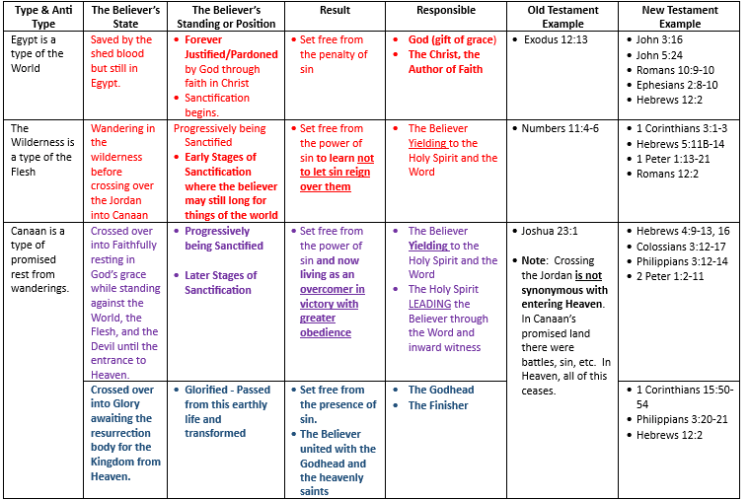
Now that you have the benefit of understanding my past errors, perhaps you might see that I am making a distinction between a journey in the wilderness (making loops with discipline) versus someone who was never delivered from Egypt (has not been regenerated yet). Before regeneration that causes adoption, we are enemies of God (Romans 5:10) and God is angry with the wicked every day (Psalms 7:11).
This may seem harsh, especially for those with the gift of mercy, but a redeemed child of God can not perpetually deny the power of God and His gospel. (Please reference 2 Timothy 3:1-5). It becomes especially challenging when a believer loves those who are going in the wrong direction. Desiring to walk in love, one can forget that we are to love God first, and then others as ourselves (Mark 12:30-31). If sin no longer reigns in us, it does not define us; God’s Word and His love do. (Romans 6:14, 17-18, 22-23) We are now slaves of righteousness; and, if erroring we will be disciplined.
So those who love God are:
- Called (verse 28) unto salvation and called (verse 30) according to God’s purpose.
- Foreknown by God (verses 29)
- Predestined to be conformed to mentally, spiritually, and bodily to the likeness of the resurrected Christ (verses 29 and v30)
Now considering some cross-references and lexicons, let’s understand how these words are used.
KEYWORD
DEFINITION
Called
There is a contrast between a general call and a specific call.
- In verse 28, the word “called” is Strongs’ 2822 – klétos which according to “Helps” focuses on God’s general call i.e. the invitation He gives to all people, so all can receive His salvation. The following verses show how it is used:
- “So the last will be first, and the first last. For many are called, but few chosen.”” (Matthew 20:16)
- “To the church of God which is at Corinth, to those who are sanctified in Christ Jesus, called to be saints, with all who in every place call on the name of Jesus Christ our Lord, both theirs and ours: … but to those who are called, both Jews and Greeks, Christ the power of God and the wisdom of God.” (1 Corinthians 1:2, 24)
- “”These will make war with the Lamb, and the Lamb will overcome them, for He is Lord of lords and King of kings; and those who are with Him are the called, chosen, and faithful.”” (Revelation 17:14)
- In verse 30, the word “called” is Strongs’ 2564 – kaleó which includes calling a person specifically by name. Thayers Greek Lexicon states: everywhere in the New Testament Epistles only those are spoken of “as called by God” who have listened to His voice addressed to them in the gospel, hence those who have enlisted in the service of Christ. It includes the idea of being individually named, to individually bear a name or title, to be appointed or designated. The following verses show how it is used:
- “”Behold, the virgin shall be with child, and bear a Son, and they shall call His name Immanuel,” which is translated, “God with us.”” (Matthew 1:23)
- “and was there until the death of Herod, that it might be fulfilled which was spoken by the Lord through the prophet, saying, “Out of Egypt I called My Son.”” (Matthew 2:15)
- “Going on from there, He saw two other brothers, James the son of Zebedee, and John his brother, in the boat with Zebedee their father, mending their nets. He called them,” (Matthew 4:21)
- “Blessed are the peacemakers, For they shall be called sons of God.” (Matthew 5:9)
- “”If David then calls Him ‘Lord,’ how is He his Son?“” (Matthew 22:45)
- “”To him the doorkeeper opens, and the sheep hear his voice; and he calls his own sheep by name and leads them out.” (John 10:3)
- “(as it is written, “I have made you a father of many nations”) in the presence of Him whom he believed–God, who gives life to the dead and calls those things which do not exist as though they did;” (Romans 4:17)
- “nor are they all children because they are the seed of Abraham; but, “In Isaac your seed shall be called.” … (for the children not yet being born, nor having done any good or evil, that the purpose of God according to election might stand, not of works but of Him who calls),” (Romans 9:7, 11)
Purpose
- In verse 28, I was amazed to read the meaning of this “purpose” (Prothesis – Strongs’ G4286). It means literally, “a setting forth in advance for a specific purpose (“God’s pre-thesis”) from from “before” (pró -Strong’s 4253) and “purposefully set forth” (títhēmi – Strongs’ 5087). This word is used for shew-bread; predetermination, and purpose. Refer to Matthew 12:4; Ephesians 1:11; Ephesians 3:11; 2 Timothy 1:9; Hebrews 9:2.
- Remember that shew-bread was placed in the Holy Place of the Tabernacle/temple (Exodus 35:11-14). It’s a beautiful picture of ordinary bread (Exodus 25:30) set apart and brought into the Holy place along with the light (symbolic of the Light of the World and Logos – John 8:12) and the incents (symbolic of prayers of the saints – Revelation 5:8).
So everything in my life (was and) is to conform me to the image of Christ (including my love for Him) because I have been invited to glorify Him according to what the Father had set forth in advance (as He wanted). His purpose in saving anyone has more with (1) His nature (2) bringing God glory and (3) giving His Son many brethren than it has to do with our acceptance of His call. (Ephesians 1:5, 11; 1 Peter 1:20; Ephesians 1:4; Colossians 1:15-17; Hebrews 2:11-12; (John 17:22-23).
If we can get our heads around God’s purpose in His election then it is less burdensome. We have no right to critique what God should want; and, whether we realize it or not when we do that, we are standing in judgment of His choices.
Foreknowledge
- In verse 29 the word “foreknown” is proginóskó – Strongs’ 4267 which to know beforehand which means God pre-knew all choices or information without pre-determining. Cross-refe rences for this word:
- “They knew me from the first, if they were willing to testify, that according to the strictest sect of our religion I lived a Pharisee.” (Acts 26:5)
- “God has not cast away His people whom He foreknew. Or do you not know what the Scripture says of Elijah, how he pleads with God against Israel…,” (Romans 11:2)
- “He indeed was foreordained before the foundation of the world, but was manifest in these last times for you” (1 Peter 1:20)
- “You therefore, beloved, since you know this beforehand, beware lest you also fall from your own steadfastness, being led away with the error of the wicked;” (2 Peter 3:17)
- Let’s break down this compound word to better understand “foreknown” (proginóskó – Strongs’ 4267) because it is a different type of knowing than mentioned in verse 28 (eidó – Strongs’ 1492). Proginṓskō is made up of two words: (1) which means before; and, (2) G1097- ginṓskō which to know. The second part of the word (ginṓskō) is has a specific meaning that would normally escape our assumptions about God’s knowledge of the unborn. This type of knowledge is an intimate knowledge through experience.
- Please consider the “Helps” definition provides Luke 1:34 as an example that refers to sexual intimacy.
- Then Mary (the virgin) said to the angel, “How can this be, since I do not know (ginṓskō) a man?”” (Luke 1:34)
- Other Scriptures where “ginṓskō” is used
- “and did not know her till she had brought forth her firstborn Son. And he called His name JESUS.” (Matthew 1:25)
- “”And then I will declare to them, ‘I never knew you; depart from Me, you who practice lawlessness!’” (Matthew 7:23)
- “And He said, “To you it has been given to know the mysteries of the kingdom of God, but to the rest it is given in parables, that ‘Seeing they may not see, And hearing they may not understand.‘” (Luke 8:10)
- Other words that mean “to know” were not used in Romans 8:29 such as:
- G1492 – to see with the mind’s eye, signifies a clear and purely mental perception (used in verse 28);
- G1987 – a knowledge obtained by proximity to the thing known, our understanding;
- G4920 – implies a native insight, knowledge gained through the five senses.
- None of these apply to God’s foreknowledge of those He predestined. We can see that this verb (ginṓskō) means knowledge grounded on personal experience. Therefore, God’s foreknowledge of those who love Him was based on His intimate knowledge of them uniquely before they were born.
- Two other considerations are: (1) Since the Father is omniscient, He does not learn; there is nothing for Him to learn. (2) Since God originates or creates, He does foreordain; He ordains things to be before they happen. As it is written:
- “Great is our Lord, and mighty in power; His understanding is infinite.” (Psalm 147:5)””Known to God from eternity are all His works.” (Acts 15:18)
- “For if our heart condemns us, God is greater than our heart, and knows all things.” (1 John 3:20)
- “Oh, the depth of the riches both of the wisdom and knowledge of God! How unsearchable are His judgments and His ways past finding out!” (Romans 11:33)
- “”And He has made from one blood every nation of men to dwell on all the face of the earth, and has determined their preappointed times and the boundaries of their dwellings,” (Acts 17:26)
- “Remember the former things of old, For I am God, and there is no other; I am God, and there is none like Me, Declaring the end from the beginning, And from ancient times things that are not yet done, Saying, ‘My counsel shall stand, And I will do all My pleasure,'” (Isaiah 46:9-10)
- “just as He chose us in Him before the foundation of the world, that we should be holy and without blame before Him in love,” (Ephesians 1:4)
While I will not pretend to understand how God foreknew me, I believe His Word.
Based on the full counsel of Scripture, I believe that with His full intimate knowledge of me, He chose me for His purposes before time began. Then based on His choice, He foreordained my days and pre-appointed the date when His influence would turn my heart to repentance with His effectual call. Before His effectual call, I was still called to repent in the same way that all people are called to repent (Acts 17:30; Acts 3:19; Matthew 4:17; Romans 2:4; Ephesians 5:8; Titus 2:11-12; 1 Peter 1:14-15).
I believe this based on His Scripture and the inward witness of His Holy Spirit. (Romans 8:28-30; Psalm 139:13-17; John 6:44; John 8:43; Romans 8:7; Ephesians 2:8-10).
His love for me is solely based on His election, His love for His Son, and His nature. He is transforming me into a person who can be part of Christ’s inheritance. It’s truly amazing to think that Christ is sharing all of the inheritance with the saints with me. It’s all so very incredible.
The Son’s inheritance is His Kingdom where the perfect order of all things are gathered together into perfect harmony and righteousness; Christ’s Kingdom is dedicated to and intimately united to the Father. Being completely united to the Father is to be made a partaker of eternal salvation because there is no death, corruption, or sin in Him. The fact that God is transforming me through the Holy Spirit into the likeness of Christ, and will irradicate sin from me testifies to His great love, His mercy, kindness, and awesome grace.
Later on in Romans, we see God’s elective love further expanded on; and it demonstrates that His choice is solely for His pleasure (not based on any merit or human ability since those He chooses are also sinful people who need the power of His love to change them):
- “As it is written, “Jacob I have loved, but Esau I have hated.” What shall we say then? Is there unrighteousness with God? Certainly not! For He says to Moses, “I will have mercy on whomever I will have mercy, and I will have compassion on whomever I will have compassion.” So then it is not of him who wills, nor of him who runs, but of God who shows mercy.” (Romans 9:13-16)
If anything, this just makes me even more grateful because I echo Paul’s statements “Christ Jesus came into the world to save sinners, of whom I am chief” (1 Timothy 1:15)
Predestined:
- In verses 29 and 30, the word “predestined” is 4309 – Proorizó which means to foreordain, appoint beforehand, to set limits or boundaries.
- Cross-references for this word include Acts 4:28; 1 Corinthians 2:7; Ephesians 1:5, 11.
- When considering the chain of events in verse 30 we can see that every person’s justification and future glorification starts with God’s predestination and with Him having foreknowledge of their lives. As such, God has the responsibility for the end state of His children. We can also see that both predestination and glorification occur in eternity. The effectual calling, justification and sanctification are done within the confines of time.
- So, using the entire string of events, those who are being sanctified (set apart, being made holy, presented to God like shewbread in the holy place) are (in this order):
- Foreknown by God (He knows all choices independent of His determination)
- Predestined to be like His Son (The ones God elects to save are not dependent on human choices – 1 John 4:19; 1 John 4:10)
- Called specifically in time unto repentance and faith (no one can do this without God’s call and grace – Ephesians 2:4-5)
- Justified by God’s grace through faith in Christ (no one can be justified without God’s grace unto faith but it includes the response of faith from the one being justified – Titus 3:3-5)
- Glorified upon completion of the sanctification (which occurs when this mortal flesh puts on immortality – Jude 1:24-24; John 10:29-30)
Salvation: (Justification, Sanctification, Glorification)
- In Romans chapters 6 and 7, Paul wrote about sanctification and the believers’ role within it. However, in Romans 8, Paul did not even mention it. He wrote of the Holy Spirit’s work and that God will use all things to make us holy between justification and glorification. Let’s take a look at Romans 8:30.
- “Moreover whom He predestined, these He also called; whom He called, these He also justified; and whom He justified, these He also glorified.” (Romans 8:30).
- Now let’s take a look at the definitions of these stages of salvation:
- Justify: is the Greek word dikaióō (Strongs’ G1344) means to render or regard just or innocent; it has a legal authority to declare someone innocent (even when guilty and as such pardoned).
- Glorified: is the Greek word doxazó (Strongs’ 1392) which to render or esteem glorious.
- Sanctification – is the Greek word hagiasmós (Strong’s G38) is the process of sanctifying. Hagiázō (Strongs’ G37) means to make holy, to sanctify. to purify internally by reformation of the soul:
- “” And you shall know the truth, and the truth shall make you free.”” (John 8:32)
- “”Sanctify them by Your truth. Your word is truth. … “And for their sakes I sanctify Myself, that they also may be sanctified by the truth.” (John 17:17, 19)
- “… ministering the gospel of God, that the offering of the Gentiles might be acceptable, sanctified by the Holy Spirit.” (Romans 15:16)
- “… to those who are sanctified in Christ Jesus, called to be saints, with all who in every place call on the name of Jesus Christ our Lord, both theirs and ours:” (1 Corinthians 1:2)
- “Now may the God of peace Himself sanctify you completely; and may your whole spirit, soul, and body be preserved blameless at the coming of our Lord Jesus Christ.” (1 Thessalonians 5:23)
- “For by one offering He has perfected forever those who are being sanctified.” (Hebrews 10:14)
- .. To those who are called, sanctified by God the Father, and preserved in Jesus Christ:” (Jude 1:1)
- “”He who is unjust, let him be unjust still; he who is filthy, let him be filthy still; he who is righteous, let him be righteous still; he who is holy, let him be holy still.”” (Revelation 22:11)
I can’t truly understand the how God’s foreknowledge, election, and predestination works with our free will but I do know what God’s word says. You see dear friend, if God has elected to shine His grace upon you, He claims full responsibility to bring you home to glory (from suffering to future glory). And it is for the glory of God’s grace that He does so. Jesus said:
- “You are My friends if you do whatever I command you. “No longer do I call you servants, for a servant does not know what his master is doing; but I have called you friends, for all things that I heard from My Father I have made known to you. “You did not choose Me, but I chose you and appointed you that you should go and bear fruit, and that your fruit should remain, that whatever you ask the Father in My name He may give you.” (John 15:14-16)
- “But may the God of all grace, who called us to His eternal glory by Christ Jesus, after you have suffered a while, perfect, establish, strengthen, and settle you.” (1 Peter 5:10)
Being predestined and justified does not mean that the LORD will equally reward everyone that He has elected to save.
Entry-level inheritance is to be eternally saved, but friends, I think there is so much more. That’s our choice. He sets out our boundaries and we have free will within our sanctification. He will reward us for what He has called us to do. There will be those who refuse to participate in their assignments.
Remember the generation of the children of Israel who consistently murmured and doubted God’s goodness to the point of disobedience? They may have never returned to Egypt, but they also did not receive the inheritance offered to them by following God’s command to endure the hardships of obtaining the promises (which was to face the giants and trust God for the results). Only two out of the congregation of over 1 million entered into the promised inheritance of the land. There is so much I could say on this, but this is not a study of the book of Hebrews. Elsewhere it is written:
- “ nor let us tempt Christ, as some of them also tempted, and were destroyed by serpents; nor complain, as some of them also complained, and were destroyed by the destroyer. Now all these things happened to them as examples, and they were written for our admonition, upon whom the ends of the ages have come. Therefore let him who thinks he stands take heed lest he fall. No temptation has overtaken you except such as is common to man; but God is faithful, who will not allow you to be tempted beyond what you are able, but with the temptation will also make the way of escape, that you may be able to bear it.” (1 Corinthians 10:9-13)

God’s Love Guarantees Eternal Union with the Spirit-Filled Believer: Romans 8:31- 38
Having said so much in this blog, how can we conclude all of this? This deep dive into Chapter 8 has been a discovery of how the adopted redeemed child of God lives in the power of the Holy Spirit which includes: (1) the inward strength of the Holy Spirit that joins us to the Father; (2) the promise of suffering and overcoming for Christ; and, (3) the eternal security because of God’s love.
Verses 31 – 35 list 7 questions for the reader; the first 2 are foundational to being “in Christ” and the remaining 5 are questions evidential. The answers to these questions determine whether the reader has received the guarantee of God’s love; eternal union with Him.
- Verse 31: “What then shall we say to these things? What things? Are you in Christ Jesus; are you God’s child? How do you know?
- Romans 8:5 – 26 lists birthmarks of the Spirit once there is union with Christ.
- Is your mind set on fulfilling God’s desires or are you more preoccupied with this life?
- Do you acknowledge Jesus Christ as God’s only begotten Son and value what He did in paying the penalty for your sin?
- Do you have the inward witness of the Holy Spirit that confirms you are a son of God?
- In times of weakness or tests that can cause fear, do you cry out to Abba Father and receive the strength needed to put to death the deeds of the flesh?)
- Do you suffer for Christ in some capacity (do you bear the noticeable distinction marks of new birth in Christ)?
- Do you groan to be freed from this fallen state and to be glorified with Christ?
- Are you confidently expecting ALL that Scripture has promised about our bodily resurrection, Christ’s return and earthly reign, and eternity serving God for His glory?
- Romans 8:5 – 26 lists birthmarks of the Spirit once there is union with Christ.
- Verse 31: “If God is for us, who can be against us?” Can any human or spiritual being defeat the person who is protected by the God who created and maintains all things?
- There are many religions out there that worship different ‘gods’. Which ‘theos’ is “the Sovereign Creator” and is He for you? Does your God accurately tell the future in advance and provide evidence of its realization in history and also in your life (such as answered prayer)? As it is written and has been demonstrated:
- “Remember the former things of old, For I am God, and there is no other; I am God, and there is none like Me, Declaring the end from the beginning, And from ancient times things that are not yet done, Saying, ‘My counsel shall stand, And I will do all My pleasure,'” (Isaiah 46:9-10)
- “Then you will call upon Me and go and pray to Me, and I will listen to you. And you will seek Me and find Me, when you search for Me with all your heart.” (Jeremiah 29:12-13)
- “So I say to you, ask, and it will be given to you; seek, and you will find; knock, and it will be opened to you. “For everyone who asks receives, and he who seeks finds, and to him who knocks it will be opened.” (Luke 11:9-10)
- What is your evidence that the “One True Most High God” is for you? What authority do you stand on? Genesis 15:1; Psalms 27:1; Psalms 46:1-3; Isaiah 54:17; 1 John 4:4
- “My sheep hear My voice, and I know them, and they follow Me. “And I give them eternal life, and they shall never perish; neither shall anyone snatch them out of My hand. “My Father, who has given them to Me, is greater than all; and no one is able to snatch them out of My Father’s hand. “I and My Father are one.” (John 10:27-30)
- There are many religions out there that worship different ‘gods’. Which ‘theos’ is “the Sovereign Creator” and is He for you? Does your God accurately tell the future in advance and provide evidence of its realization in history and also in your life (such as answered prayer)? As it is written and has been demonstrated:
- Verse 32: “He who did not spare His own Son, but delivered Him up for us all, how shall He not with Him also freely give us all things?”
- This is great comforting evidence of why God guarantees our future in His love! The greatest gift that God could ever give is His Son, Jesus Christ (John 3:16, 35; John 5:20-23; John 10:17-18; Colossians 1:13).
- So, if He has given us Jesus as payment to redeem us, why would we doubt that God would give us lesser rewards? Remember Jesus even prayed that we would be joined eternally to Them. He prayed:
- And the glory which You gave Me I have given them, that they may be one just as We are one: “I in them, and You in Me; that they may be made perfect in one, and that the world may know that You have sent Me, and have loved them as You have loved Me. “Father, I desire that they also whom You gave Me may be with Me where I am, that they may behold My glory which You have given Me; for You loved Me before the foundation of the world. “O righteous Father! The world has not known You, but I have known You; and these have known that You sent Me. “And I have declared to them Your name, and will declare it, that the love with which You loved Me may be in them, and I in them.” (John 17:22-26)”
- Verse 33: “Who shall bring a charge against God’s elect? It is God who justifies.”
- Another evidence of security is that the Holy, Omniscient, and Righteous God is the One who issues pardon to those who by His grace have faith in Christ. So, since God had set the requirements for pardon before the penalty was paid and He is the issuer, no matter what accusation is made against those whom God has chosen to justify, the outcome remains as declared. He is just and the justifier (Romans 3:22-26). Is there anyone greater than God who created every living thing?
- Verse 34: “Who is he who condemns? It is Christ who died, and furthermore is also risen, who is even at the right hand of God, who also makes intercession for us.”
- All judgment was given to Christ by the Father and Christ judges as the Father decrees (John 5:22-30). Since the sinless Jesus willingly paid the price for the redemption of God’s elect and is the Great High Priest who ever lives for our justification and to intercede for us, His resurrection and ascension are more evidence of our eternal security in His love. (Hebrews 7:24-26; Revelation 1:8, 17-18).
- Verse 35: “Who shall separate us from the love of Christ?”
- Since the adopted child of God is united to Christ, secured by indwelling the deposit of the Holy Spirit, and elect of God, who has the power to overcome the Godhead? Nothing can overcome the Trinity and Christ made us overcomers of that which is subject to Christ. (John 16:33; 1 John 2:13-14; 1 John 4:4; 1 John 5:4-5; Revelation 2:7, 11, 17, 26; Revelation 3:5, 12, 21; Revelation 17:14; Revelation 21:7)
- Verse 35: “ Shall tribulation, or distress, or persecution, or famine, or nakedness, or peril, or sword?”
- “My brethren, count it all joy when you fall into various trials, knowing that the testing of your faith produces patience. But let patience have its perfect work, that you may be perfect and complete, lacking nothing.” (James 1:2-4)
- “Now no chastening seems to be joyful for the present, but painful; nevertheless, afterward it yields the peaceable fruit of righteousness to those who have been trained by it.” (Hebrews 12:11)
Verse 36 is a quote from Psalm 44. The Psalm was written by the sons of Korah (God’s covenant people) with the theme of faith in their redemption although the LORD was using enemies to bring discipline. In this Psalm, their people were despised because of the name of the LORD. It is a song of praise for their former and current disasters.
In referencing this Psalm, Paul reflected on the unchanging, providential and mercifulness of God’s covenant love. This is a love that:
- preserved the Jewish people through their turbulent faith and unbelief;
- fulfilled the Abrahamic promises of the Jewish Messiah from the tribe of Judah for all;
- paid the price of redemption for all of humanity’s sins with the Messiah’s blood; and
- provided prophesies that salvation would be offered to all of humanity including the Roman readers.
This covenant-keeping God has so great a love that no amount of His pain and suffering could diminish it.
This love and promise of the eternal union are so great that it would not surrender to:
- the pain of the Father who had to turn His face away and withhold Himself rescuing His Son (Matthew 27:42-46 Isaiah 53:10);
- the suffering of Christ who bore all sickness, iniquity and shame (John 19:28-30; Luke 24:46);
- the suffering of adopted children everywhere (Philippians 1:27-29; Acts 5:41; Romans 5:3; James 1:2; 1 Peter 4:13); and.
- that which He is currently enduring with the fallenness of His creation as He waits for the last of His elect to accept His call (2 Peter 3:9-15).
Everyone but God would have counted the cost and given up; but not our God! His love is everlasting and long-suffering.
Let us remember the steps of Abraham: Foreknown, Predestined, Called, Justified in a covenant God made (following with errors, tested for obedience), now in Heaven awaiting his resurrection body.
- “For if Abraham was justified by works, he has something to boast about, but not before God. For what does the Scripture say? “Abraham believed God, and it was accounted to him for righteousness.” … Therefore it is of faith that it might be according to grace, so that the promise might be sure to all the seed, not only to those who are of the law, but also to those who are of the faith of Abraham, who is the father of us all” (Romans 4:2-3, 16)
More on that in Chapter 9 of Romans…
If you have not placed your faith in Jesus Christ as your personal Redeemer and you sense a tugging at your heart, it’s probably the Holy Spirit beckoning you to meet Him, to see Christ for who He is (Saviour, Redeemer, Lord of all creation, eternal God, Son of God and the God-Man). You can use your own words to tell the LORD you believe and ask Him to fill your heart with the knowledge of Him and the power to choose freedom over sin.

Need More Detail?
God not only reveals Himself through nature, or the tug at your heart. He also foretold in Scripture how salvation would be granted; and, then caused the events needed to fulfill prophecy to occur. He documented His redemption plan using our history. This demonstrates that the eternal God exists outside of our time limitations and can enter it to save you. He has also set a date for history’s culmination.
Where will you stand on that day? I hope you are the one who will choose life!
A resource containing Scripture that correlates fulfilled prophecy about the Messiah’s redemption accomplishment can be located at: https://desiringfruitfulness.ca/choices/.
All Scripture in this blog is from the New King James Version unless otherwise specified.
 DesiringFruitfulness
One thought on “Eternally Loved & Earnesly Longing – Romans 8, Part 3”
Comments are closed.